Small Guns for Concealed Carry | Are Pocket Pistols a Good Choice?

Are Small Guns Good for Concealed Carry?
Small guns are easy to carry, but they are not always easy to shoot.
Many people shopping for a concealed carry handgun start with the smallest pistol they can find. That makes sense on the surface. A small gun is easier to hide, easier to carry, and less likely to be left at home.
But there is a tradeoff. The smaller the handgun, the harder it often becomes to shoot well, manipulate safely, and control under stress.
Small Guns Are Not Beginner Guns
After working with thousands of students, I have seen the same pattern over and over. A student buys a tiny handgun because it is easy to conceal, then they discover it is hard to grip, hard to aim, hard to rack, and uncomfortable to shoot.
A gun that is easy to carry is not always easy to use.
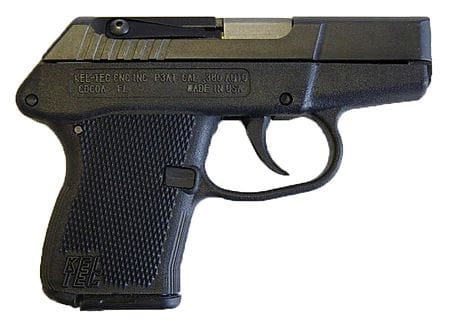
What Is a Mouse Gun?
A “mouse gun” is an informal term often used for very small handguns carried for personal protection. These may include small semi-automatic pistols, pocket pistols, and small revolvers.
Many are chambered in calibers such as .380 ACP, .32 ACP, .25 ACP, .22 LR, or similar small cartridges. Some people carry them in a pocket, purse, ankle holster, or small concealed carry holster.
Whatever gun you carry, it still needs to be carried safely. Even a small handgun should be protected by a proper holster that covers the trigger guard.
The Biggest Problem: Recoil
Many new shooters assume a small gun will have light recoil. Often, the opposite is true.
A very small handgun has less weight, less grip area, and less surface for the shooter to control. That can make recoil feel sharper than expected, especially in small .380 pistols and lightweight revolvers.
When the gun moves more in the hand, students often struggle with:
- Maintaining a solid grip
- Getting quick follow-up shots
- Pressing the trigger without disturbing the sights
- Practicing enough because the gun is unpleasant to shoot
Small Guns Usually Have Small Sights
Small guns often come with small, low-profile sights. That may help with concealment, but it can make the gun harder to aim.
The shorter sight radius also makes aiming errors more noticeable. A slight misalignment of the sights on a small handgun can move the shot more than many shooters expect.
Some small pistols have sights that are difficult to see and difficult to replace. A simple trick some shooters use is adding a bright color to the front sight, but that does not solve the bigger issue: small guns require better fundamentals.
Safe Handling Can Be Harder with Small Pistols
This is where many people get into trouble.
Small handguns can be harder to load, harder to unload, harder to lock open, and harder to inspect. Some small pistols do not lock open after the last round. Some have tiny controls. Some have stiff slides. Some have manual safeties that are difficult to operate under stress.
That creates problems for new gun owners and concealed carry permit holders who have never been properly trained.
Common problems include:
- Pointing the muzzle in an unsafe direction while trying to rack the slide
- Putting the support hand in front of the muzzle
- Getting the trigger finger too close to the trigger
- Failing to remove the magazine before clearing the gun
- Failing to verify the chamber is empty
- Struggling to lock the slide open for inspection
That is why I tell students that many small guns are better suited for experienced gun handlers, not people who are just learning the basics.
Ballistics and Short Barrels
Small guns often have short barrels. Short barrels can reduce velocity, and reduced velocity can affect bullet performance.
This does not mean a small gun is useless. It means the shooter must understand the limitations of the equipment.
With a smaller caliber or shorter barrel, shot placement becomes even more important. The shooter must be able to control the gun, hit accurately, and make good decisions under pressure.
Small Gun vs. Compact Handgun
For many concealed carry students, a compact handgun may be a better choice than an ultra-small pocket pistol.
A compact handgun may offer:
- A better grip
- Better sights
- Less felt recoil
- More ammunition capacity
- Easier slide operation
- Better reliability
- Better overall shootability
The goal is not to carry the smallest gun possible. The goal is to carry a gun you can safely handle, shoot accurately, and use responsibly if you ever have to defend yourself.
Pros of Small Guns for Concealed Carry
- Easy to conceal: Small guns are easier to hide under light clothing.
- Easy to carry: Lightweight guns are less likely to be left at home.
- Good for deep concealment: Pocket pistols can work when larger guns are impractical.
- Useful as backup guns: Experienced carriers may use small guns as secondary firearms.
Cons of Small Guns for Concealed Carry
- Harder to shoot well: Small guns for concealed carry have small grips and short sight radius make accuracy more difficult.
- More felt recoil: Lightweight guns can be uncomfortable to practice with.
- Harder to manipulate: Slides, safeties, and controls may be difficult to operate.
- Lower capacity: Many small guns hold fewer rounds.
- Less forgiving: Small guns demand better fundamentals from the shooter.
Rick’s Recommendation
If you are new to concealed carry, do not choose a handgun based only on size.
Choose a handgun you can safely load, unload, rack, clear, holster, and shoot accurately. If the gun is too small for you to control, it may not be the best defensive choice.
Small guns have their place, but they are not magic. They require training.
Should You Carry a Small Gun?
Maybe. But you need to be honest about your ability.
Before relying on a small handgun for concealed carry, ask yourself:
- Can I load and unload it safely?
- Can I rack the slide without pointing it in an unsafe direction?
- Can I keep my finger indexed properly?
- Can I shoot it accurately?
- Can I manage the recoil?
- Will I actually practice with it?
- Do I have a proper holster for it?
If the answer to any of those questions is no, you need more training before depending on that firearm for self-defense.
Editor’s Note
This article was originally published in 2017 and has been extensively updated for 2026 to reflect current concealed carry practices, handgun training methods, and practical considerations regarding small handguns for self-defense.
Related Training
Popular Training Courses
Additional Firearms Safety Resources
- NRA Gun Safety Rules — basic firearm safety rules every gun owner should know.
- Project ChildSafe — firearm storage and safety information for responsible gun owners.
- NSSF Firearms Safety Resources — safety information from the National Shooting Sports Foundation.
About Have Gun Will Train Colorado
Have Gun Will Train Colorado is Southern Colorado’s full-time firearms training school. Since 2010, Rick Sindeband has trained thousands of students in concealed carry, handgun fundamentals, firearm safety, and defensive handgun skills.
Our goal is simple: help responsible gun owners choose, carry, and handle firearms safely.
Get Trained Before You Carry
A concealed carry handgun is only useful if you can handle it safely and shoot it well.