What Is Mexican Carry? Meaning, Safety & Why a Holster Matters
Appendix Carry and “Mexican Carry”: History, Safety, and Why a Holster Matters
“Mexican carry” is often misunderstood. Some people assume the term is racial or insulting, but the historical use of the phrase comes from the old Southwest and Mexican vaquero gun culture. Today, the term usually means one thing: carrying a handgun tucked into the waistband without a holster.
And no matter what you call it, carrying a handgun without a proper holster is dangerous.
Quick Safety Answer
A defensive handgun should be carried in a proper holster that covers the trigger guard, holds the gun securely, and allows safe access. Stuffing a pistol into your waistband without a holster is not safe carry.

What Does “Mexican Carry” Mean?
In modern firearms language, “Mexican carry” usually refers to carrying a handgun tucked into the waistband without using a holster. Some people also connect the idea to early forms of what is now called appendix carry, where the handgun is carried toward the front of the body.
The term has old roots. In the Southwest, Mexican vaqueros and American cowboys both carried handguns as part of daily life. At times, restrictive gun laws in Mexico made it risky for ordinary citizens to openly wear gun belts or holsters. A person might still carry a revolver by tucking it into the waistband where it could be hidden quickly.
That may explain the historical term, but history does not make the practice safe.
The Problem: A Gun in the Waistband Without a Holster
Carrying without a holster is a bad idea because the handgun is not properly secured and the trigger is not properly protected.
A defensive handgun needs three things when carried:
- Trigger protection — the trigger guard must be covered.
- Retention — the gun must stay where you put it.
- Safe access — you must be able to draw without fighting your clothing or pointing the gun in an unsafe direction.
A waistband alone does not provide those things.
Why Carrying Without a Holster Is Dangerous
Fix This Before It Bites You
If you’re carrying a handgun without a proper holster, you’re taking unnecessary risks.
I teach safe, practical holster use and appendix carry techniques right here in Pueblo.
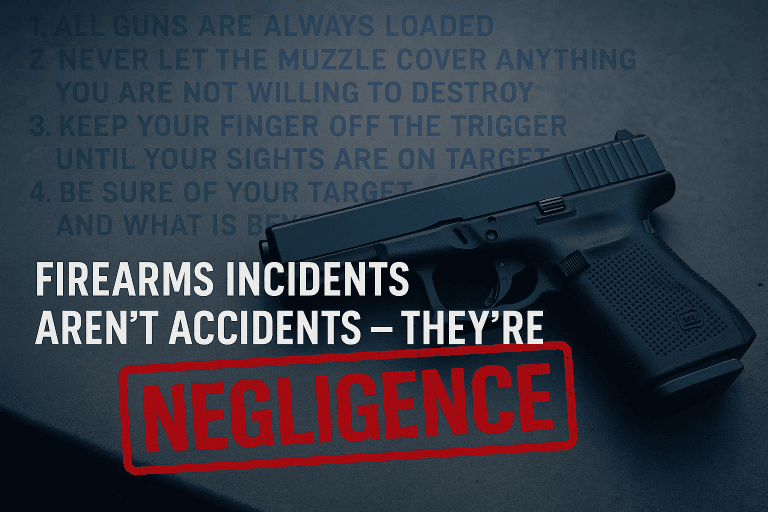
The trigger is exposed. Clothing, drawstrings, fingers, or other objects can enter the trigger guard and cause a negligent discharge.
- The gun can move or fall. Without a holster, the firearm can shift, slide, or fall out when sitting, bending, running, or getting in and out of a vehicle.
- Reholstering becomes unsafe. Trying to shove a gun back into the waistband is asking for trouble. Safe reholstering requires control, visibility, and a proper holster mouth.
- The muzzle may point at your body. Appendix carry already demands serious attention. Without a holster, the risk goes way up.
- Concealment becomes inconsistent. A loose gun can print, shift, or become exposed at the worst possible time.
Bottom Line
Do not carry a handgun loose in your waistband. Use a quality holster made for your specific firearm. The holster should cover the trigger guard, hold the gun securely, and allow a safe draw.
Appendix Carry Done the Right Way
Appendix carry can be fast, accessible, and easy to conceal for some people. It places the handgun in front of the body where the hands naturally work. Many people like it because it can allow a quick draw, good concealment, and strong control over the firearm.
But appendix carry is not casual. It requires a good holster, a proper belt, safe gun handling, and disciplined practice.
If you carry appendix, the holster should:
- Fully cover the trigger and trigger guard
- Hold the firearm securely
- Allow a full firing grip before the gun leaves the holster
- Stay open enough for controlled reholstering
- Remain stable during movement
Why the Holster Matters
A good concealed carry holster is not just a pouch. It is safety equipment.
The holster keeps the gun in the same position, protects the trigger, helps prevent the gun from falling out, and allows the shooter to build a consistent draw stroke. Without that consistency, training falls apart.
For daily concealed carry, the holster is just as important as the handgun.
Can You Practice Appendix Carry at the Range?
Not every range allows appendix draw practice. At Pueblo Municipal Shooters, appendix carry is not normally allowed except under the instruction of a certified instructor with privileges at the range.
As a general rule, shooters at PMS draw only from a strong-side belt holster, in the booth, and according to range rules.
That matters because drawing from the holster is not something to fake or rush. It should be taught in a controlled environment with clear safety rules.
Need Help With Holster Carry?
If you want to learn how to safely draw from the holster, appendix carry, or improve your concealed carry setup, I can help.
I offer practical holster training in Pueblo, Colorado, including safe draw stroke, carry position, reholstering, and real-world concealed carry concerns.
Common Questions About Appendix Carry and Mexican Carry
Is “Mexican carry” the same as appendix carry?
Not exactly. Appendix carry usually means carrying a handgun in a holster toward the front of the body. Mexican carry usually means carrying a handgun tucked into the waistband without a holster. The difference is huge.
Is appendix carry safe?
Appendix carry can be done safely, but only with proper equipment and disciplined gun handling. A quality holster, covered trigger guard, safe draw stroke, and careful reholstering are mandatory.
Is carrying without a holster ever a good idea?
No. A handgun carried for defense should be secured in a holster that covers the trigger guard and retains the firearm.
What kind of holster should I use?
Use a holster made for your specific handgun. It should cover the trigger guard, hold the firearm securely, allow a full firing grip, and stay stable during movement.
Final Takeaway
The history of “Mexican carry” may be interesting, but the modern safety lesson is simple:
Do not carry a loose handgun in your waistband.
Use a real holster. Get proper training. Practice safely. A defensive handgun is serious equipment, and how you carry it matters.
Fix This Before It Bites You
If you’re carrying a handgun without a proper holster, you’re taking unnecessary risks.
I teach safe, practical holster use and appendix carry techniques right here in Pueblo.